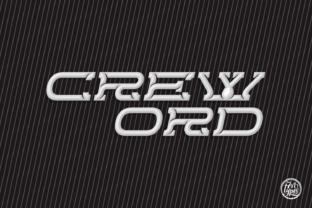
Creword: A New Tool for Creative Word Generation
Every creative professional knows the feeling: you stare at a blank page, a new project folder, or an empty brief, and the words simply won't come. Whether you are naming a product, drafting a tagline, or brainstorming a blog series, finding the right combination of language can make or break the work. That is where Creword enters the picture. It is a tool designed not to replace your imagination but to feed it. By generating word combinations, prompts, and linguistic possibilities, Creword helps you move past the initial block and into the flow of real creative work.
What makes Creword interesting is not the generation itself but what it unlocks. It treats language as a flexible material, something you can shape, twist, and combine in unexpected ways. For anyone who works with words—marketers, designers, entrepreneurs, educators, or hobbyists—this shift in perspective is valuable. Instead of searching for the perfect phrase, you start with a raw idea and refine it. The tool becomes a collaborator, not a crutch.
What Creword Offers to Different Creators
The beauty of Creword lies in its adaptability. A freelance copywriter might use it to generate ten headline variations for a client pitch. A small business owner could scan generated word pairs to find a brand name that feels both modern and trustworthy. An educator might use it to spark writing exercises in a classroom, giving students a starting point that feels fresh rather than forced. Each user brings their own context, and Creword responds to that context without demanding a fixed workflow.
For designers, especially those working on visual identity, Creword can suggest verbal anchors that guide the visual direction. If you are designing a logo for a sustainable fashion line, a generated phrase like “woven future” or “slow thread” might shape the color palette, typography, and overall mood. The words come first, and the visuals follow. This reverse process often leads to more cohesive branding because the language and the image are rooted in the same core idea.
Bloggers and content creators can use Creword to break out of repetitive topic patterns. Instead of writing another “10 Tips for…” post, a generated combination like “silent productivity” could inspire an article about focus in a distracted world. The tool pushes you toward angles you might not have considered. It is not about replacing your judgment but expanding your options before you edit.
Practical applications that go beyond brainstorming
While brainstorming is the most obvious use case, Creword shines when integrated into a structured creative process. Consider the following scenarios:
- Product naming – Generate short, memorable word pairs and test them against your brand values. A phrase like “clear signal” might work for a communication app, while “solid ground” could suit a financial service.
- Tagline development – Use Creword to produce a list of four- to six-word combinations. Then evaluate each for rhythm, clarity, and emotional resonance. The generated raw material saves you from drafting from scratch.
- Social media captions – For platforms like Instagram or LinkedIn, a single strong phrase can anchor an entire post. Creword offers a starting point that you can adapt to your brand voice.
- Email subject lines – A well-crafted subject line increases open rates. Generate variations and test them against your audience’s interests. The tool helps you iterate quickly.
- Educational prompts – Teachers and workshop facilitators can use Creword to create writing exercises. A generated phrase like “broken compass” might lead to a narrative about navigation, failure, or discovery.
Each of these applications benefits from the same core principle: start with more than you need, then edit ruthlessly. Creword provides the raw material, but your taste and judgment shape the final output.
Adapting Creword for different platforms and formats
Not all creative contexts are the same. A tagline for a billboard demands brevity and punch, while a blog title can be more descriptive and curious. Creword can serve both, but you need to adjust how you use it. For short-form content like headlines or product names, focus on two- or three-word combinations that carry strong imagery or contrast. For longer content like articles or video scripts, generate broader thematic phrases that outline the core idea, then expand from there.
Social media thrives on immediacy. A platform like Twitter or Threads rewards a sharp phrase that stops the scroll. Use Creword to generate a handful of punchy options, then test one as a hook. On YouTube, a video title often needs to balance curiosity with clarity. A generated phrase like “the hidden cost of speed” could work for a video about efficiency versus quality. The same phrase, slightly reworded, might become an email newsletter subject line.
Print and long-form content allow for more nuance. A magazine article or a white paper can begin with a generated word pair that sets the tone. The phrase itself might not appear in the final piece, but it acts as a compass for the writing process. You know the direction before you write the first sentence.
How to keep results clear, effective, and audience-friendly
Generating ideas is only half the work. The other half is refining them so they resonate with real people. Here are a few practical recommendations:
- Filter for clarity – If a generated phrase is too abstract or convoluted, set it aside. Your audience should understand the core idea within seconds. Save the cryptic combinations for internal inspiration, not final output.
- Check for alignment – Does the phrase match your brand voice, audience expectations, and project goals? A playful phrase might work for a lifestyle brand but feel out of place for a legal service.
- Test for originality – Run a quick search on your favorite combinations. If a phrase is already heavily used by competitors, avoid it. Creword helps you generate, but you are responsible for differentiation.
- Organize your output – Group generated ideas by theme, tone, or potential use case. This makes it easier to revisit later when you need a fresh angle for a related project.
- Edit for rhythm – Read the phrase aloud. Does it flow? Does it have a natural cadence? Rhythm matters more than most people realize, especially in spoken contexts like video or presentations.
Keeping your results audience-friendly means remembering that the goal is not to impress with clever wordplay but to communicate clearly and memorably. Creword gives you the raw blocks; you build the structure that others can inhabit.
Balancing inspiration with practical workflow
One risk of any generative tool is getting lost in the possibilities. It is easy to generate dozens of phrases, feel briefly inspired, and then never move to execution. To avoid that, set a time limit for generation. Spend ten minutes gathering raw material, then switch to evaluation. Treat the generated list as a draft, not a final deliverable.
Another approach is to use Creword in combination with a constraint. For example, decide in advance that you will only keep phrases that are three words or fewer, or that include a specific emotional tone like curiosity or urgency. Constraints sharpen your focus and prevent the tool from overwhelming you with options.
For teams, Creword can be a collaborative starting point. Share a generated list with colleagues and ask each person to pick their top three. The discussion that follows often reveals deeper insights about the project’s direction. The tool becomes a catalyst for conversation, not a solo activity.
Creative project ideas to try with Creword
If you are looking for a structured way to experiment, consider these project ideas:
- One-week naming challenge – Use Creword daily to generate five brand name candidates. At the end of the week, refine the best one into a full brand concept with tagline and visual direction.
- Content series from a single phrase – Take a generated phrase like “quiet momentum” and write three blog posts or create three videos exploring different angles: personal growth, business strategy, and creative process.
- Social media content calendar – Generate 30 word pairs, one for each day of the month. Use each as a prompt for a post, story, or short video. The constraint of a daily practice often yields surprising results.
- Collaborative workshop exercise – In a team setting, generate a large set of phrases. Ask each person to pick one and develop a mini pitch for a product, service, or campaign based on that phrase. Compare the diversity of ideas that emerge from the same material.
- Rebranding exploration – If you are considering a brand refresh, use Creword to generate language that reflects your new direction. Test the phrases with a small audience to gauge emotional response before committing to a full rebrand.
These projects are not about using Creword as a final tool but as a starting point for deeper creative work. The value is in the process: generating, selecting, refining, and executing. The tool supports that loop without dictating it.
In the end, Creword is most useful when you treat it as a partner in curiosity. It will not write your copy, name your product, or design your campaign. But it will hand you a set of possibilities that you might not have found on your own. The rest depends on your skill, your taste, and your willingness to edit. That is a fair trade for any creative professional looking to move past the blank page and into the work that matters.